
Checking Criminal History in Knox County
Knox County has no advertised one-stop lookup. The correct sequence depends on whether the question concerns an agency report, a jail booking, a filed case, a fine-only citation, a Texas criminal-history entry, or current state custody. Gather a full name, spelling variants, date of birth when lawfully available, approximate event date, location, agency, and any report, booking, citation, or case number.
- Ask the County and District Clerk at (940) 459-2441 for filed felony or county-level cases and copies.
- Call the Sheriff at (940) 459-2211 for sheriff-created reports or the jail at (940) 459-2041 for current custody.
- Contact Knox City Police or Munday Police for reports created by that city.
- Use the JP or municipal court printed on a citation for fine-only matters.
- Check the DPS public product for reported Texas conviction or deferred-adjudication information, or use a fingerprint personal review for one’s own identity-confirmed record.
re:SearchTX can be tried as a supplement, but Knox coverage is not promised. TDCJ concerns state custody, not current Knox jail bookings.
Knox County Records in Benjamin
The Knox County Courthouse at 100 W. Cedar Street in Benjamin is the county’s principal judicial records building. Published hours are 9 a.m. to 5 p.m., Monday through Friday. The combined County and District Clerk is on the first floor; the County Judge and coordinator are also on that floor. The County Attorney and Justice of the Peace are on the second floor.
The official county home depicts the courthouse and provides the central local-government route.
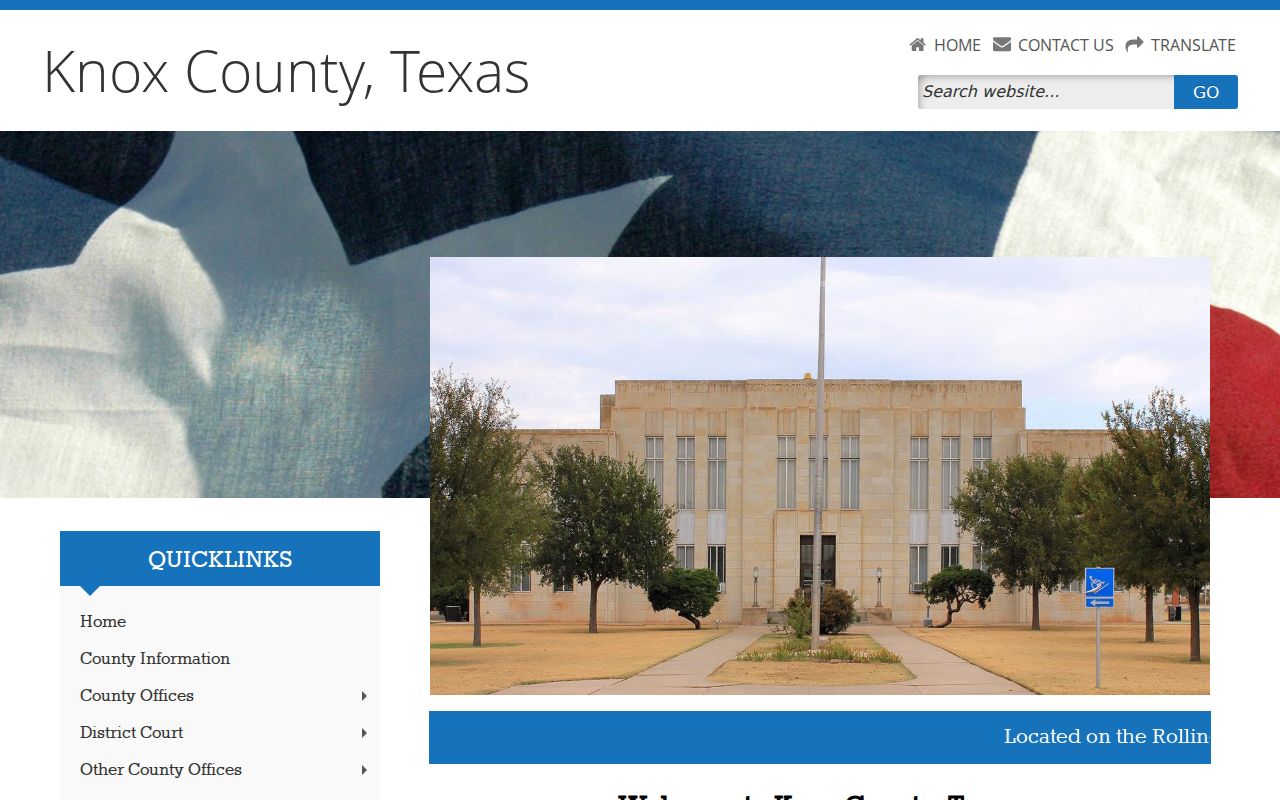
A visitor seeking a filed criminal case should start with the clerk rather than the Sheriff. Parking, security screening, recording rules, lockers, and counter accommodations are not published, so confirm practical arrangements with the destination office before traveling.
County & District Clerk
100 W. Cedar St., first floor
PO Box 196
(940) 459-2441
Knox County Sheriff
111 E. Hayes St.
PO Box 257
(940) 459-2211
Knox County Jail
104 S. Stewart St.
West of the courthouse
(940) 459-2041
Texas Official Background Checks
The Texas Department of Public Safety, Crime Records Division maintains the statewide Computerized Criminal History repository. Its public conviction name search releases Texas information connected to convictions and grants of deferred adjudication, based on data agencies submitted. Each online search uses one $1 credit even when no match appears; a CR-42 mail request costs $10.
A public name match is not fingerprint identity confirmation. For a person reviewing their own Texas record, DPS uses the CR-63 fingerprint process through FAST appointments scheduled with IdentoGO by IDEMIA. DPS lists $15 for the fingerprint-based record review plus a $10 FAST fingerprint service; two hard cards through FAST cost $20. No permanent Knox enrollment center was verified, so use the live scheduler.
| Official channel | Purpose | Published cost |
|---|---|---|
| DPS public online name search | Public conviction/deferred-adjudication-connected CCH | $1 credit per search |
| CR-42 mail search | Offline public name request | $10 per search |
| DPS personal fingerprint review | Identity-confirmed review of one’s own Texas history | $15 DPS plus $10 FAST |
| FAST hard cards | Two fingerprint cards when that format is needed | $20 |
Fees and appointment availability should be checked at the official source before submission.
The IdentoGO appointment portal is the official scheduling route for FAST fingerprint collection.
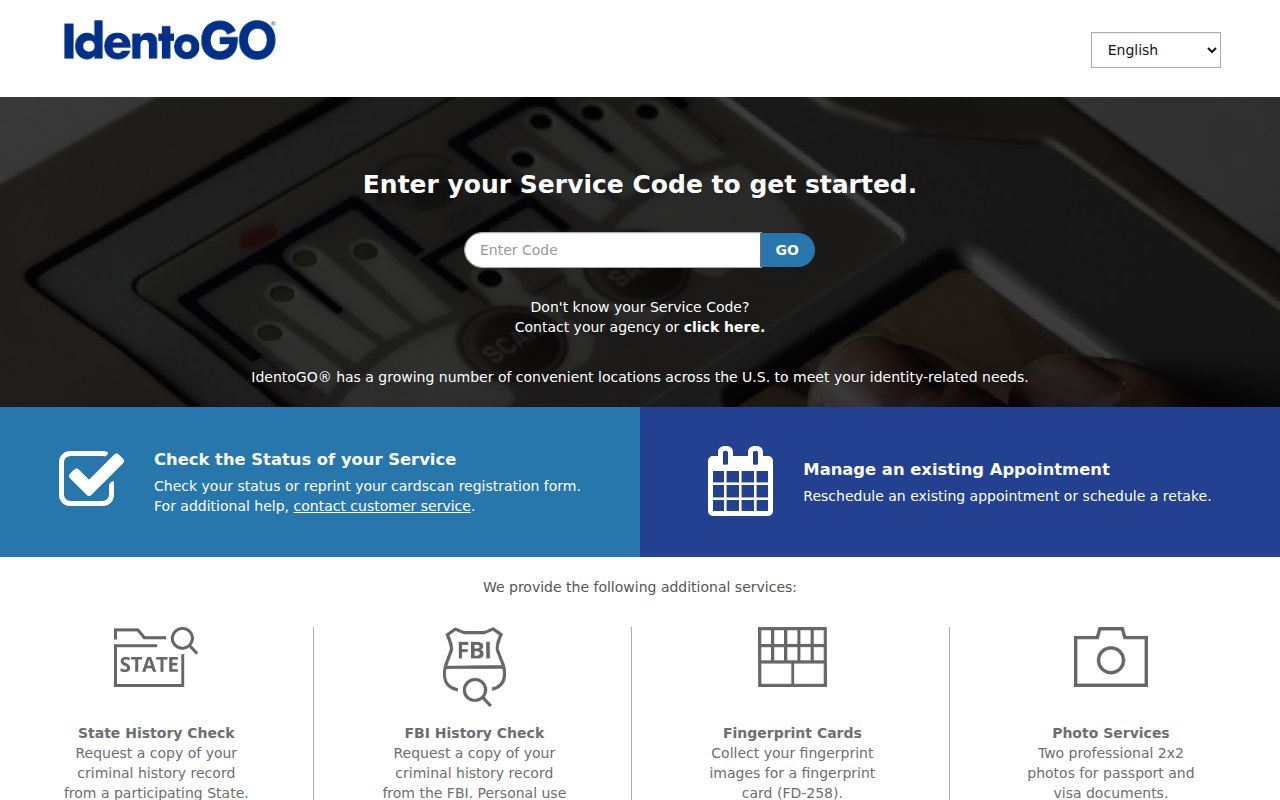
Because sites and mobile dates change, the scheduler is more reliable than naming an unverified permanent location near Knox County.
Knox County DPS Record Searches
The DPS public system uses name and descriptive inputs and can return possible matches rather than proven identity. The authenticated form was not fully exposed during research, so exact required markings should be taken from the live portal. DPS documents first and last name, middle name, date of birth, sex, and race as search inputs, with a multi-entry workflow available.
| Field | Use | Practical caution |
|---|---|---|
| Last and first name | Ordinary name search | Spelling, aliases, Soundex, and common names affect matches. |
| Middle name | Optional narrowing | A retry may omit it to widen results. |
| Date of birth | Strong narrowing identifier | Still does not equal fingerprint confirmation. |
| Sex and race | Descriptive filters | Use only as the live portal permits. |
| Multi-Entry | Queues searches | View or Submit processes the queue and charges apply. |
The public DPS portal was unavailable for a successful manifest capture, but the DPS Crime Records FAQ explains scope and fees. Save a needed response because returned results and search history have different retention windows. A no-match result still costs a credit and does not guarantee that no Texas history exists.
Criminal Record Types
Each Knox County criminal record has its own creator, purpose, and access route. Combining them without context can turn an original allegation into a false claim about a final result.
- Arrest or incident report: the Sheriff or city police account of the event and original allegation.
- Booking record: jail intake, custody, charge-at-booking, bond, release, and transfer data; Knox posts no public roster.
- Court case: filed charge, docket, pleas, orders, judgment, sentence, costs, and disposition held by the clerk.
- DPS criminal history: fingerprint-linked reported cycles, with a narrower public conviction/deferred-adjudication product.
- Custody or supervision: Knox jail, TDCJ prison, community supervision, parole, and federal custody are separate systems.
- Registry record: a DPS public sex-offender entry governed by Chapter 62 and locally updated through registration authorities.
Warrants form another category: a court issues process and law enforcement serves or tracks it. Knox has no public warrant list, and sealed or juvenile warrants do not appear in ordinary public records.
Knox County Arrest Record Flow
An officer first creates the report. A custodial arrest produces a jail booking, photograph, fingerprints, and transaction identifiers. DPS receives the arrest event through Texas reporting channels. The prosecutor then reports whether and how the matter is filed; the clerk and court produce the judicial record; and the outcome should travel back to DPS.
Record flow: Agency Report › Jail Booking › DPS Arrest Cycle › Prosecutor Filing › Court Disposition › DPS Update
A lag or missing link explains why two official systems can appear inconsistent. The agency report remains the event narrative, booking remains custody history, the clerk remains the local case source, and DPS remains the reported repository. For a detailed local custody route, use the Knox County arrest lookup.
Note: A filed charge may be reduced, replaced, enhanced, dismissed, or declined after the original booking.
For an inconsistency, compare the event identifiers rather than only the person’s name. The arrest date, reporting agency, tracking number, court case number, filed charge, and disposition date help show whether two entries describe the same cycle. If the clerk has a final order that DPS lacks, request a certified copy and follow the DPS error-resolution process. The Crime Records Division lists dedicated contacts for personal-history questions, inaccurate data, and disposition or expunction updates, but supporting court documentation ordinarily carries the correction.
This comparison is especially important after a dismissal or record-clearing order. A local case may show the court’s action before every downstream system reflects it. Checking the originating Knox County office and the statewide repository avoids treating a reporting delay as a different legal result.
Inside a Knox County Criminal Record
A full criminal-history record can include identifying data, arrest cycles, prosecutor actions, court results, sentence, and custody or supervision updates. Public outputs are narrower and redact protected information.
| Name and identifiers | Names, aliases, date of birth, SID or FBI numbers, and fingerprints in authorized records. |
|---|---|
| Arrest cycle | Date, agency, tracking number, original charges, and related booking information. |
| Court case | Case number, court, filed charge, docket, hearings, pleas, orders, judgment, and costs. |
| Disposition | Dismissal, acquittal, deferred adjudication, conviction, no-bill, or other reported outcome. |
| Sentence | Court-imposed term, fine, community supervision, restitution, or other consequence. |
| Custody or supervision | Jail, prison, release, transfer, probation, or parole information as the relevant system records it. |
- Disposition
- The official outcome entry for a charge or case.
- Deferred adjudication
- A Texas process that postpones a guilt finding during community supervision; it is not an acquittal.
- Capias
- A court writ directing that a person be arrested.
- Community supervision
- Texas’s term for adult probation.
- Expunction
- Statutory removal or destruction of qualifying records under Chapter 55A.
Knox County Jail Records Offline
The county publishes no roster, recent-booking log, warrant list, inmate profile, visitation vendor, deposit service, phone provider, bond instructions, or release procedure. Call the jail for current local or pretrial custody and ask the Sheriff for existing booking records under the Texas Public Information Act. Do not substitute a commercial mugshot site or another county’s portal.
For state custody, use the TDCJ Online Inmate Search. The form accepts last name plus at least a first initial, or a TDCJ or SID number, with gender and race filters. Results can include the unit, sentence, county of conviction, projected release, and parole information when present.
The official TDCJ locator supplies the state-custody channel, while a call to the Knox jail remains necessary for a recent local booking. Those routes should not be treated as interchangeable.
Public Access Laws in Texas
The Texas Public Information Act supplies the request basis for sheriff and police administrative records, subject to exceptions. Judicial records and case files follow court and clerk rules. Texas criminal-history information is confidential unless the law authorizes release, and the public DPS product is specifically narrower than an unrestricted rap sheet.
Key statutes and rules:
Government Code Chapter 552 provides public access to governmental records subject to statutory exceptions.
Government Code §§411.083 and 411.135 protect CCH while authorizing public access to conviction and deferred-adjudication-connected information.
Texas Rule of Judicial Administration 12 supplies a separate judicial-record framework.
Code of Criminal Procedure Chapter 55A controls expunction eligibility and effect.
Code of Criminal Procedure Chapter 62 governs sex-offender registration and notification.
Active-investigation material, juvenile information, protected victim details, medical information, and confidential identifiers may be withheld or redacted. Public availability never authorizes harassment, retaliation, identity misuse, or registry misuse.
The Attorney General’s public-information page provides official request guidance.
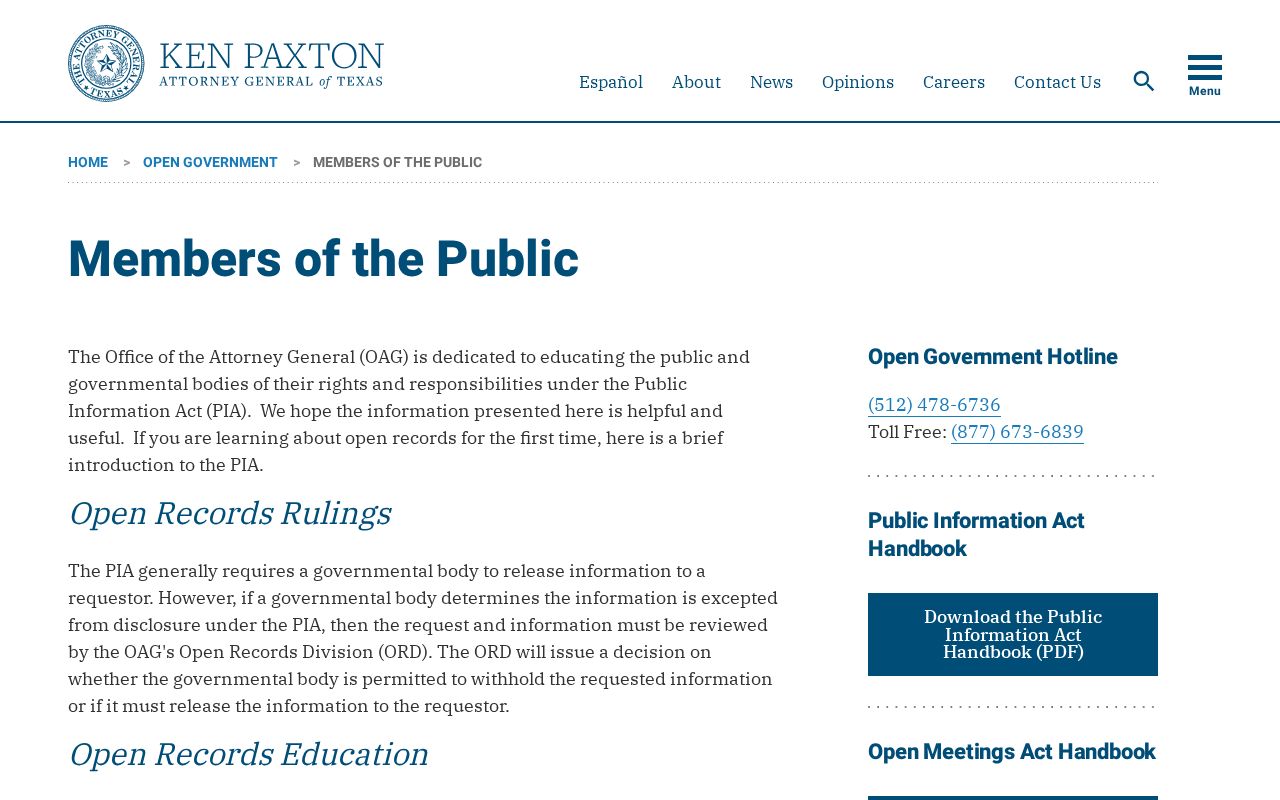
Its ten-business-day discussion concerns an agency’s request for an Attorney General ruling, not a guaranteed production date.
Finding Knox County Warrants
No public Knox warrant portal, list, or app was located. Check the Sheriff for execution information, the jail for custody, the combined clerk for a filed felony or county case, the JP for fine-only or failure-to-appear matters, and the relevant municipal court. A warrant can be an arrest warrant, capias or bench process, search warrant, or fugitive warrant.
Confirm the issuing court and case number before acting. Sealed and juvenile warrants will not appear publicly, and the county publishes no surrender procedure, bond-payment list, or clearance time. Do not send money or rely on a third-party claim without verifying the process with the named court.
Note: A clerk or officer’s verification is more reliable than silence from an online search that Knox County does not provide.
Sealed, Expunged, and Restricted Records
Texas expunction under Code of Criminal Procedure Chapter 55A removes or destroys qualifying arrest records; an order of nondisclosure generally restricts ordinary public dissemination while the record remains accessible for authorized purposes. They are not interchangeable. Juvenile records follow separate Family Code sealing rules.
Potential expunction paths include acquittal, pardon, qualifying dismissals or no-bills after the required timing, and certain mistaken-identity circumstances. Deferred adjudication often points toward nondisclosure rather than expunction, subject to offense exclusions and waiting periods. Family-violence and other excluded offenses demand close statutory analysis.
The County and District Clerk publishes a $350 Knox expunction filing fee. No county petition packet, fee-waiver instruction, hearing timeline, certified-copy price, clinic, or agreed-order program was located. A petition must identify every agency holding the record so an order can reach the arresting agency, jail, clerk and court, prosecutor, and DPS. After relief, confirm the local file and run a DPS fingerprint personal review of one’s own record.
Knox County Supervision Records
Texas calls adult probation “community supervision.” Knox is grouped with Baylor, Cottle, and King Counties for Community Supervision and Corrections Department purposes; TDCJ’s Community Justice Assistance Division funds and regulates local programs. Knox does not publish a local probation office page, so use the statewide directory and the sentencing court to identify the correct supervising office.
The TDCJ CSCD directory shows the county grouping.
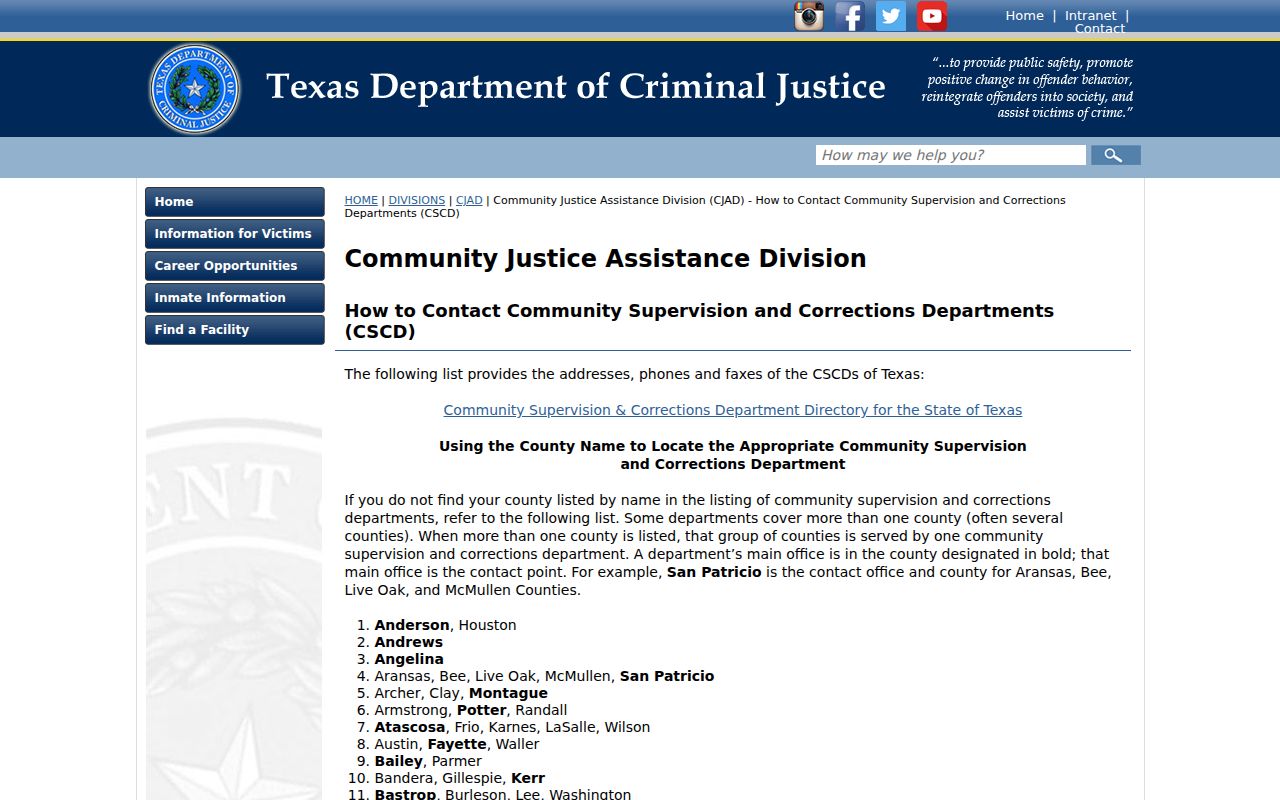
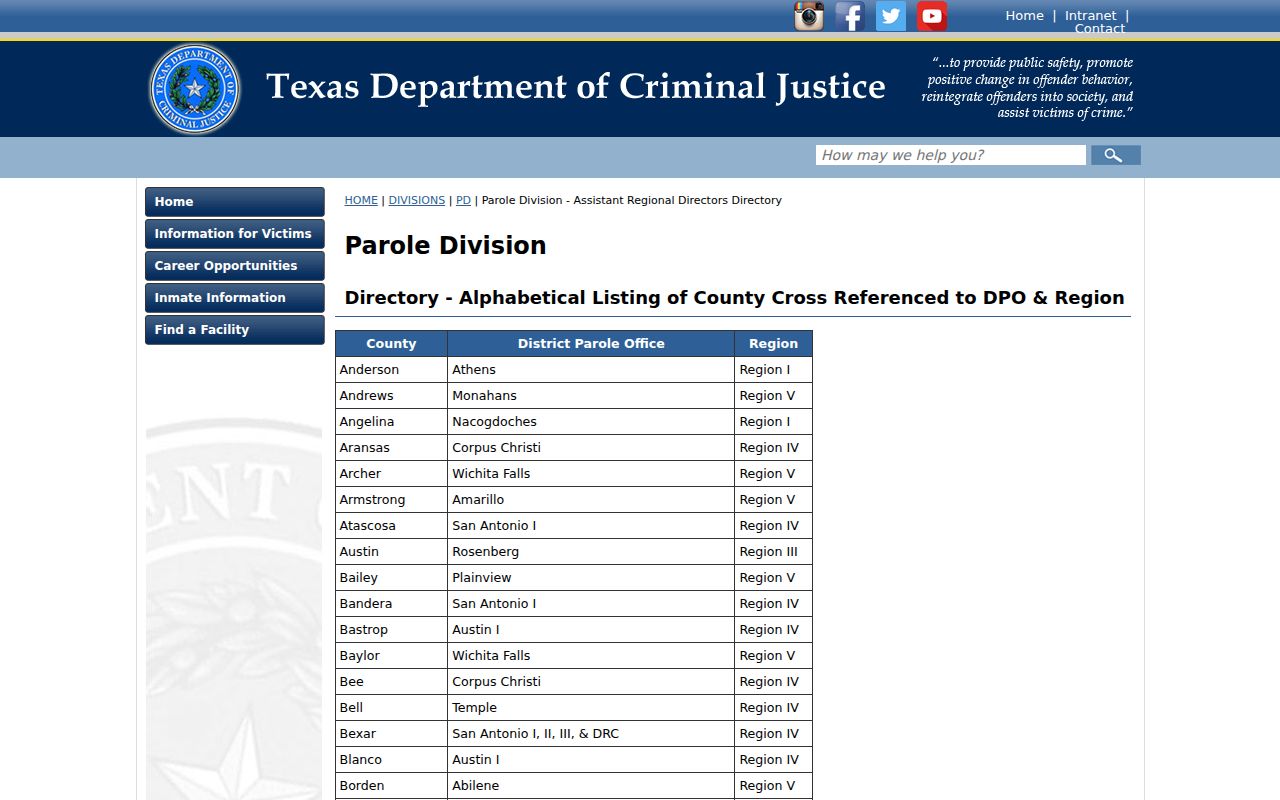
Parole is separate: the Texas Board of Pardons and Paroles makes release decisions and the TDCJ Parole Division supervises releasees. Knox is assigned to the Wichita Falls District Parole Office, Region V.
The TDCJ parole office directory documents that assignment.
A sentencing order may be public, but operational supervision files can remain restricted.
Knox County Justice Records History
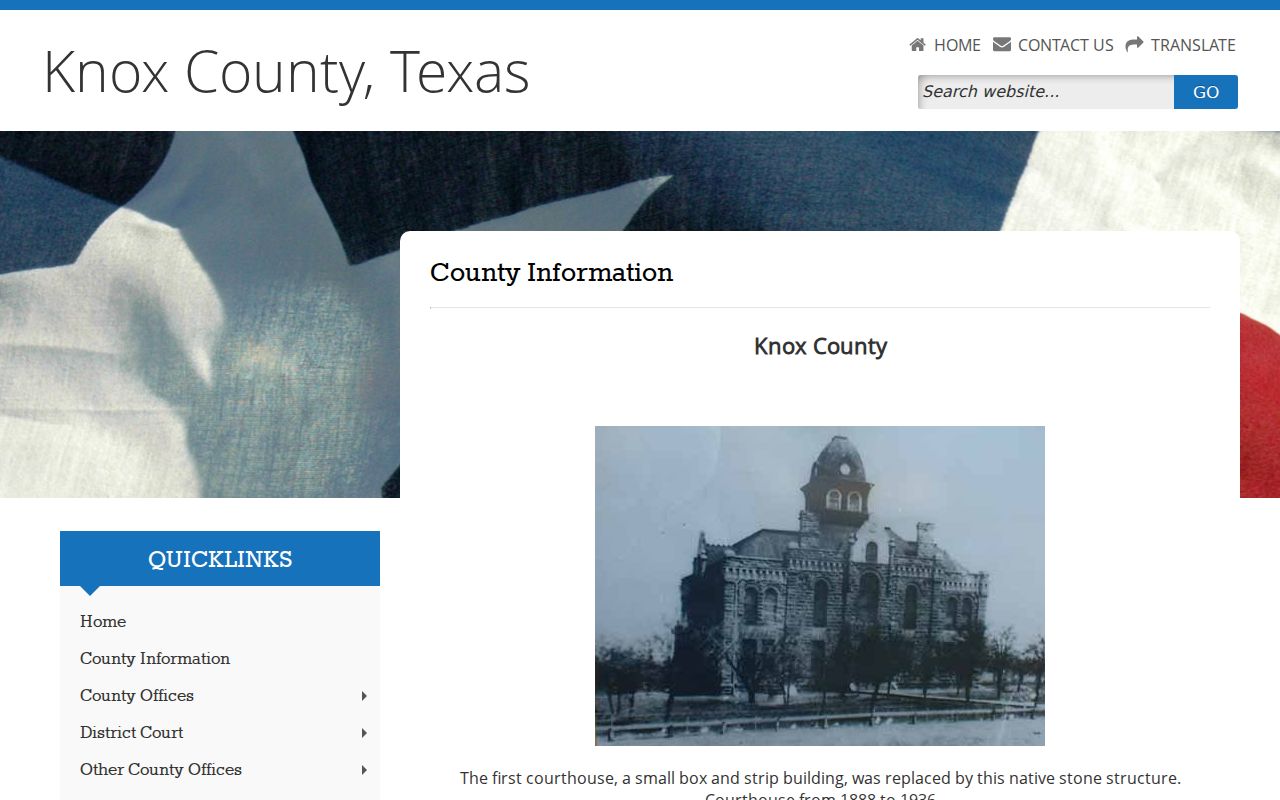
Knox County’s records geography has a long physical history. The present courthouse was built in 1935 through the Federal Emergency Administration of Public Works. It replaced a native-stone courthouse used from 1888 to 1936, after an earlier small “box and strip” courthouse. The county history also depicts the 1887 old jail.
The official county history page presents those buildings.
Historical displays have moved to the Wichita Brazos Museum and Cultural Center east of the courthouse on Highway 82. Current criminal records remain with today’s custodians, but the physical timeline helps explain why older material may require clerk confirmation rather than an online search.
Knox County Criminal Records by City
The official 2020 Census ranks Munday, Knox City, and Benjamin as the county’s three largest incorporated cities. Their records routes differ: Munday has police and a verified municipal court but no portal; Knox City has police and a Thursday-evening municipal court; Benjamin has no verified city police or operating municipal-court system and relies on county-seat fallbacks.
Munday Criminal Records
Population 1,246 · police and city-court requests begin at 121 E. Main.
Knox City Criminal Records
Population 1,065 · police and municipal court share 902 E. Main.
Benjamin Criminal Records
Population 196 · use the Sheriff, clerk, JP, and court named on paperwork.
City police reports, bookings, municipal citations, county cases, and DPS entries are complementary. Keep each request at the office responsible for that layer.
Confirm current procedures before every request and office visit.